-
-
-
UG-11 WonderMall Company Bagh Alwar Rajsthan
Why switching to an electric vehicle in India
16
April
Why switching to an electric vehicle in India
India is in the middle of a quiet revolution. From the busy streets of Bengaluru to the highways of Rajasthan, electric vehicles are no longer a no
Rental cost of sport and other cars
Here's everything you need to know about why EVs make so much sense for India, right now.
1.7M+
EVs sold in India in 2024
?1–1.5/km
Average EV running cost
30%
FAME II subsidy on EVs
2030
India's 30% EV target year
"India's EV revolution isn't coming — it's already here. And for everyday drivers, the advantages are impossible to ignore."
The top advantages of electric vehicles in India
Dramatically lower running costs
Petrol costs around ?7–10 per km to run. An EV costs just ?1–1.5 per km on electricity. For a driver covering 1,500 km a month, that's a saving of over ?10,000 every single month. Over five years, you're looking at lakhs saved — money that stays in your pocket.
Cleaner air for Indian cities
India is home to some of the world's most polluted cities. EVs produce zero tailpipe emissions — meaning every EV on the road directly contributes to cleaner air. With India's power grid rapidly adding renewable energy, the overall carbon footprint of EVs is shrinking every year.
Far less maintenance
No engine oil. No timing belt. No clutch. Electric motors have a fraction of the moving parts of petrol engines. Indian EV owners typically spend 40–60% less on maintenance compared to ICE vehicle owners. No more expensive service visits every 3 months.
Strong government support and subsidies
India's FAME II scheme offers subsidies of up to ?1.5 lakh on two-wheelers and significant rebates on four-wheelers. State governments like Maharashtra, Delhi, and Gujarat offer additional benefits. GST on EVs is just 5% compared to 28–43% on petrol cars. The savings start before you even drive.
Perfect for India's urban driving patterns
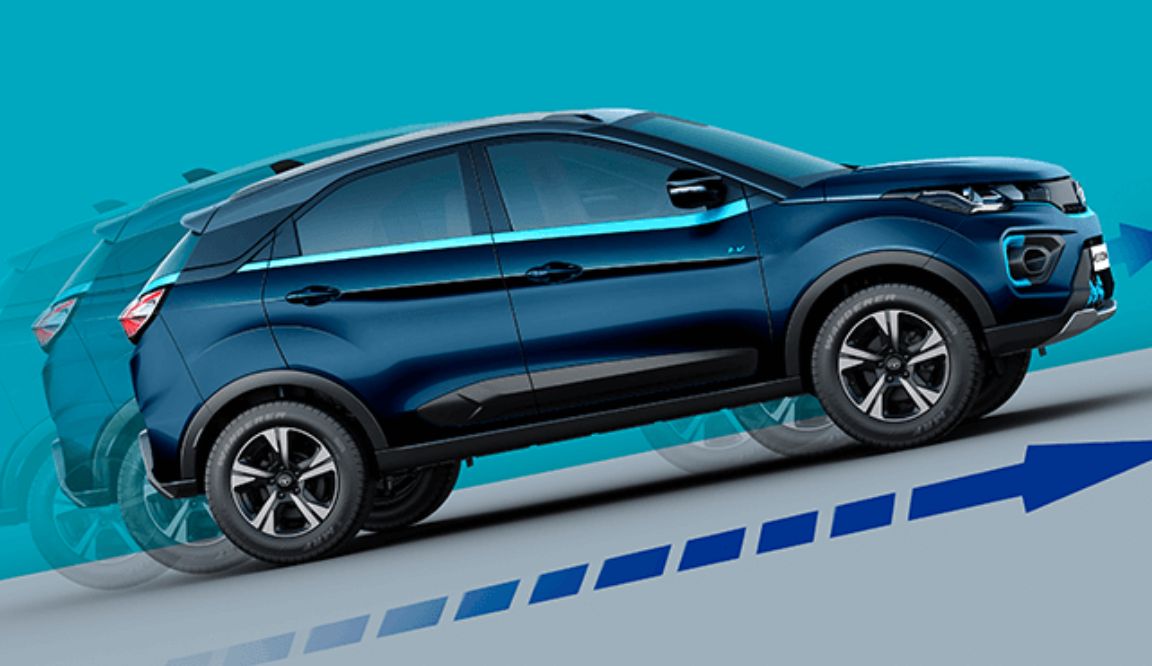
The average Indian urban commute is under 40 km per day — well within the range of even entry-level EVs. Stop-and-go city traffic, which drains petrol cars, actually benefits EVs through regenerative braking. EVs are built for the way India drives.
Rapidly growing charging infrastructure
India had over 12,000 public charging stations in 2024 — and the number is growing fast. Initiatives like EESL and private players like Tata Power, ChargeZone, and Ather are rapidly expanding the network in Tier 1 and Tier 2 cities. Charging at home overnight is already a reality for most owners.
Smooth, quiet, and powerful ride quality
Electric motors deliver instant torque — meaning quicker, smoother acceleration with none of the gear-shift lag. Indian roads can be unpredictable. An EV gives you a quieter, more refined driving experience whether you're in a metro or on a highway.
Energy independence from fuel price volatility
Petrol prices in India are highly volatile — and largely dependent on global crude oil prices. EV owners charge at stable, predictable electricity rates. No more dreading the next petrol price hike. Your running cost is in your control.
Is India ready for EVs?
The short answer is: yes, and it's getting more ready every day. Charging infrastructure is expanding rapidly, battery technology is improving, and prices are falling. India's major manufacturers — Tata, Mahindra, Ola Electric, Ather, and many more — are investing billions into making EVs accessible at every price point.
The transition isn't without challenges — longer highway trips still require planning, and rural charging networks are still developing. But for the vast majority of Indian drivers, especially urban and semi-urban commuters, an electric vehicle is already a better choice than a petrol or diesel vehicle by almost every measure.
Recent Post