-
-
-
UG-11 WonderMall Company Bagh Alwar Rajsthan
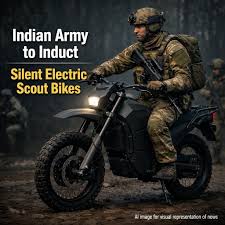
Indian army to deploy electric two-wheeler in border terrain
14
May
Indian army to deploy electric two-wheeler in border terrain
India’s defense sector is entering a new phase of technological evolution — and electric mobility is becoming part of the mission.
Rental cost of sport and other cars
Why Electric Two-Wheelers Make Sense for Military Operations
Traditional petrol-powered bikes have long been used in rugged military terrain for reconnaissance and quick movement. However, electric two-wheelers bring a completely different tactical advantage.
1. Silent Operations
Electric motors generate minimal noise compared to conventional engines. In border surveillance or reconnaissance missions, silence can become a strategic asset.
Lower sound signatures help troops move discreetly through sensitive zones without revealing positions prematurely.
2. Reduced Heat Signature
Unlike internal combustion engines, EVs produce significantly less thermal output. This can help reduce visibility through thermal imaging systems during nighttime or covert operations.
3. Lower Dependence on Fuel Logistics
Transporting fuel to remote mountain areas is expensive, risky, and operationally challenging. Electric mobility can reduce dependence on long fuel supply chains, especially in difficult terrains like Ladakh and Arunachal Pradesh.
With renewable charging infrastructure and portable energy systems evolving rapidly, EV deployment in remote defense zones is becoming increasingly practical.
4. Better Terrain Agility
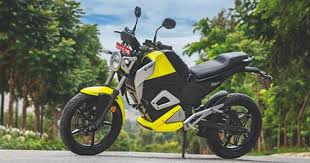
Modern electric motorcycles deliver instant torque, which is highly useful for steep climbs, rocky surfaces, and uneven trails. This makes them ideal for rapid response movement across rugged border regions.
Recent high-altitude EV expeditions, including electric two-wheelers reaching Shipki La Pass near the Line of Control, have demonstrated that EVs can survive and perform in extreme Himalayan conditions.
India’s EV Ecosystem Is Reaching a Turning Point
The military’s interest in electric mobility reflects a broader national transition toward sustainable and indigenous technology.
India is not only becoming one of the world’s largest EV markets but also a growing innovation hub for electric mobility solutions tailored to local conditions.
Defense adoption could accelerate advancements in:
- Battery durability in extreme climates
- Fast-charging infrastructure
- Lightweight mobility platforms
- Swappable battery systems
- Indigenous EV manufacturing
This aligns strongly with the nation’s “Make in India” and defense modernization goals.
Challenges Still Remain
While the opportunity is massive, deployment in border terrain comes with real engineering challenges:
- Battery performance in sub-zero temperatures
- Charging accessibility in remote zones
- Long-range endurance requirements
- Reliability under combat conditions
- Rapid field maintenance capabilities
However, continuous innovation in battery technology and tactical EV design is rapidly narrowing these gaps.
What This Means for the Future of Mobility
The adoption of electric two-wheelers by defense forces could become a defining milestone for India’s EV revolution.
When technology designed for everyday commuters becomes reliable enough for military-grade terrain, it proves one thing clearly:
Electric mobility is no longer limited to urban commuting — it is becoming mission-ready.
At EVXora, we believe this shift highlights the true potential of EV innovation in India. From smart cities to border security, electric mobility is reshaping how the nation moves.
And this is only the beginning.
Conclusion
The Indian Army exploring electric two-wheelers for border operations marks a bold and futuristic step toward sustainable defense mobility.
It reflects a future where EVs are not just environmentally responsible — but strategically superior.
As technology advances, electric mobility will continue to break barriers, conquer terrains, and redefine performance standards across industries.
Recent Post